How to Accept Payments as a Small Business in Nigeria
Cash, transfer, card or online — how Nigerian businesses can accept every kind of payment, avoid fake transfer alerts, handle fees and deposits, and keep clean records automatically.
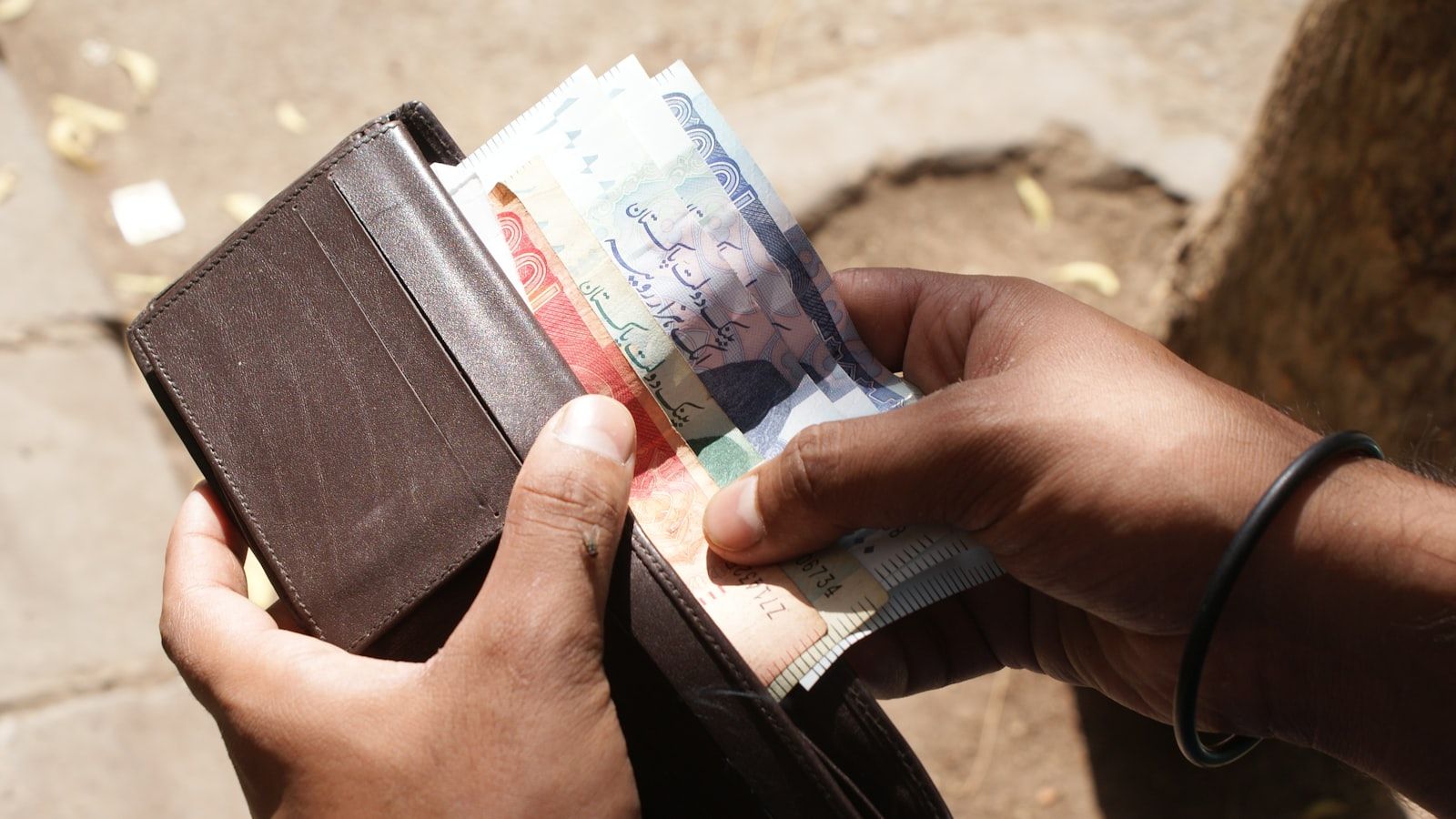
In Nigeria, getting paid is rarely the hard part — keeping track of it is. A customer pays cash, the next sends a transfer, another taps a card, and someone online pays by link. By the end of the day you’re scrolling your bank app, hunting for screenshots, and wondering whether everyone actually paid. This guide covers how to accept payments as a small business in Nigeria — every method your customers use — and, just as importantly, how to keep clean records so your money always adds up.
The payment methods your customers actually use
Nigerians pay in more ways than almost anywhere: cash, bank transfer, card, POS terminals, and increasingly online payment links. Trying to force everyone onto one method loses sales — someone always doesn’t have cash, or can’t use a card, or won’t come in person. The goal isn’t to pick a favourite. It’s to accept them all and record each one the same clean way, so the method never creates a mess in your books.
Cash: still king, but track every naira
Cash is fast and trusted, and it isn’t going anywhere. But it’s also the easiest money to lose track of — a note here for transport, a note there for lunch, and by evening the till doesn’t match the day. The fix isn’t to refuse cash; it’s to record every cash sale the moment it happens, right at your point of sale. Then your cash-in-hand at close of day should match your recorded takings, and any gap is a signal you can investigate, not a mystery you shrug off.
Bank transfer: solve the screenshot problem
Transfers are everywhere, and so is the headache: “I’ve sent it,” followed by a screenshot you have to eyeball and trust. Record each transfer against the sale as it comes in, so you always know which orders are paid and which are still pending. No more scrolling alerts hours later trying to match a name to an amount. A clean record at the moment of payment saves you the detective work at closing time.
Beware fake transfer alerts
Fake credit alerts are a real and growing problem in Nigeria — a customer shows a convincing “transfer successful” screen or SMS, collects the goods, and the money never lands. Protect yourself with one simple rule: confirm the money is actually in your account before the item leaves your hands. Don’t rely on the customer’s screenshot or a lookalike alert. For anything of value, wait for your own bank’s confirmation, and treat “I’ve sent it, check later” as unpaid until proven otherwise.
Card, POS terminals — and your phone as a till
Card payments are convenient for bigger tickets, and a dedicated POS terminal has its place for high-volume counters. But you don’t need to buy expensive hardware to start: the phone in your pocket can be your till, recording every sale and payment type. Whatever device you use, the key is that the card sale lands in the same records as your cash and transfer sales — one clean list of what you sold and how you were paid, not three separate ones you reconcile by hand.
Online payments and payment links
The fastest-growing way to get paid is a link. Send a customer a payment link on WhatsApp, or let them pay on your online store at checkout, and the money and the order are connected automatically — no account number to share, no screenshot to verify. For services and B2B, send a proper invoice with a pay button, and clients settle online while you skip the awkward chase. Online payments also give you a clean digital trail, which matters at tax time.
Understand transaction fees
Online payments and card terminals usually charge a small fee per transaction — a percentage, a flat amount, or a mix. Don’t let that scare you off. The fee is almost always smaller than the cost of a lost sale, a missed transfer, or an hour spent reconciling by hand. Build a modest processing cost into your pricing and treat it as the price of getting paid faster with a clean record. What matters is your net — what actually lands after fees — not chasing zero fees at the cost of losing customers who want to pay by card or link.
Take deposits on big or custom orders
For large orders, custom work, or made-to-order items, don’t wait until delivery to see any money. Take a deposit up front — often half — and collect the balance on completion. A deposit covers your materials, filters out time-wasters, and protects you if a customer changes their mind after you’ve started. Record the deposit against the order so you always know exactly what’s been paid and what’s still due, and neither you nor the customer loses track.
Why “payment + record” should be one step
The real time-saver isn’t the payment method — it’s never having to write it down twice. When taking the payment also records the sale, updates your stock, and feeds your expenses and profit view, you get accurate books for free. Every payment you accept quietly keeps your numbers right, so you’re never choosing between serving the next customer and keeping your records straight.
Reconciling your daily takings
Closing the day should take minutes, not an argument. With every payment recorded as it happened, you can see total sales split by cash, transfer, card and online, and check it against what’s actually in hand. Differences show up immediately, while you can still remember what happened — not weeks later at tax time when the details are long gone. A five-minute daily close beats a painful monthly reckoning every time.
Tips for getting paid faster
- Show prices upfront so customers can pay without asking
- Send a payment link instead of your account number
- Confirm transfers landed in your account before releasing goods
- Record each payment against its order as it comes in
- Take a deposit on large, custom or made-to-order items
- Reconcile cash and transfers at the close of every day
Accept every payment, keep clean records
The best payment setup for a Nigerian business accepts cash, transfer, card and online — and turns each one into a clean record without extra work. Qountify does exactly that: take any payment, and it records the sale, updates your stock, and keeps your books accurate, all in one app. Start free and stop chasing payments you’ve already earned.